
Home › Registration and Account
1xBet verification (KYC): documents and identity checks
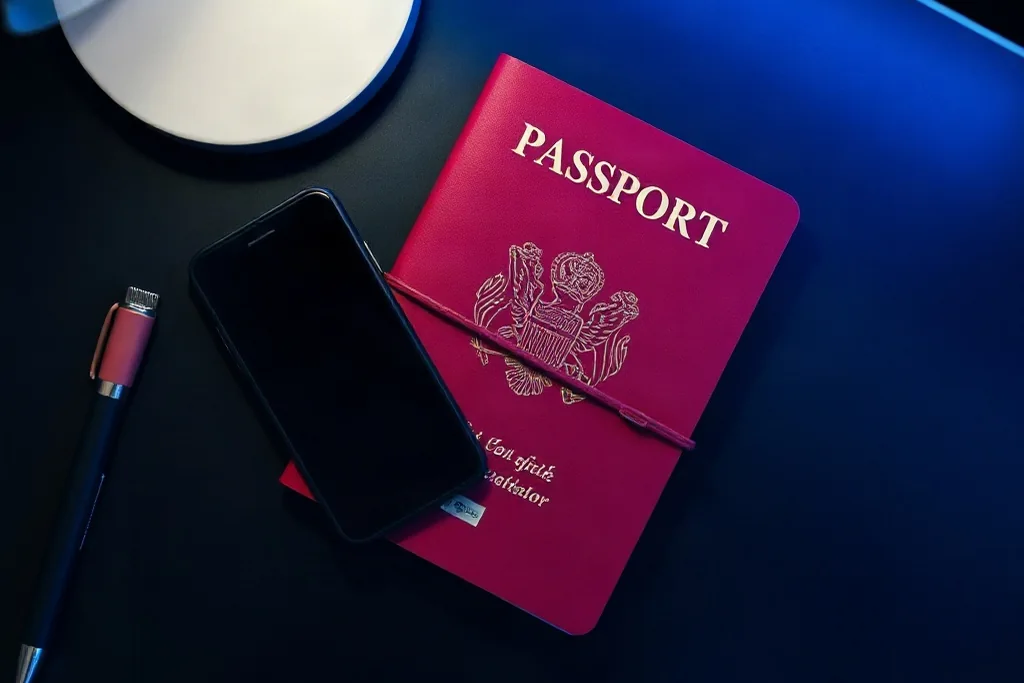
Verification is the step where an account stops being a username and becomes a person the operator is willing to pay. It is also the step people postpone, and then meet at the worst possible moment, with a withdrawal pending and no patience left.
What Verification Is For
The operator has to answer one simple question: is the person requesting a payout the same person who registered? Verification is the evidence for that answer, and it serves the user as much as the company, because an account that cannot be proven is an account anyone holding the password could drain.
It also enforces the rules that make the product legal where it operates: minimum age, one profile per person, and payment methods belonging to the account holder. Those checks are why document requests feel repetitive, and why the same name has to appear everywhere at once.
Which Documents Are Usually Asked For
The core set that 1xBet reviews is short: a government identity document with a photograph, proof of the address declared at registration, and sometimes a selfie or a short liveness check. The identity document is typically a passport, a national identity card or a driving licence, depending on what the market accepts.
Proof of address is a separate document for a reason. It has to be recent, it has to show the name and address as entered in the profile, and it has to come from a source the operator recognises, such as a utility bill or a bank statement. A document that is valid but carries an old address is still a failed check.
A Clean Submission in Order
- Identity document photographed flat, all corners visible, no glare.
- Proof of address recent enough and showing the declared address.
- Name spelled identically in the profile and on every document.
- Payment methods registered in the account holder's own name.
- Selfie or liveness check taken in even light, face unobstructed.
Rejections and Their Real Cause
| Reviewer's note | What it usually means | Fix before resubmitting |
|---|---|---|
| Image unclear | Glare, blur or heavy compression | Reshoot in daylight, full frame |
| Details do not match | Profile spelling differs from the document | Correct the profile or explain the variant |
| Document expired | Validity ended before the review | Use a current document |
| Address not proven | Bill too old, or wrong address on it | Request a recent statement in your name |
| Corners cut off | Document cropped to the data page | Include the whole document edge to edge |
How the Upload Process Works
Documents are uploaded through the profile, not sent by message or email. The flow asks you to pick a document type, photograph the front and sometimes the back, then confirm. The images land in a queue tied to your account, which is why a document sent through a chat window cannot be matched to it.
Photograph the document flat, in daylight, with all four corners inside the frame and no reflection across the text. Screenshots of a scan, photographs of a screen, and images cropped to the data page are the three most common reasons an upload is returned before anyone has read the content.
Why a Document Gets Rejected
Rejections are usually about legibility or consistency rather than authenticity. A glare across the date of birth, a folded corner over the document number, an image compressed until the small print is mush, or a name spelled differently from the profile will all fail, even when the document itself is entirely genuine.
The consistency check is the one people underestimate. If the profile carries a shortened name and the passport carries the full one, the reviewer sees two different people until something explains the gap. Correct the profile where you can, and if the spelling cannot be changed, say so in the upload comment instead of hoping it passes.
How Long Checks Take and What to Do While Waiting
Reviews are queued, so timing depends on volume rather than on your case. A clean submission at a quiet hour can clear quickly; a document that needs a second look takes longer, and there is no way to speed it up from the outside beyond answering promptly when something is queried.
Use the waiting period to make the rest of the profile consistent. Confirm the payment methods you plan to use are in your own name, check that the address in the profile matches the document you uploaded, and keep the originals within reach. Many delays at the withdrawal stage are really verification problems discovered late.
Verification and Withdrawals Together
The two are linked because a payout is the point where the operator must be certain. Depending on the market, an account can often deposit and bet before verification is complete, which creates the impression that it is optional, and then the first withdrawal is held while the documents are reviewed from scratch.
Completing verification early avoids that entirely. It also makes later changes cheaper: a new payment method, a change of address or a replacement document can be handled as an update rather than as a blockage. At 1xBet the document request sits in the same profile area as the personal details, so it is worth opening once, before it is needed.
Verification is administrative rather than adversarial, and it is much cheaper to do once than to argue about later. Submit legible documents that match the profile, answer queries when they come, and finish the process while the account is quiet. A profile that has already proven who owns it is a profile that can be paid without a delay.
Read next
Creating a new account step by step
What the sign-up form asks for, why country and currency matter and how to avoid a duplicate account.
Login and recovering access to the account
Why a sign-in fails, how the recovery route works and when the problem sits with the account, not the app.
Account security: the basics that matter
Password hygiene, two-step confirmation, sessions and what to change the moment a phone is lost.